
About us
Our history
Championing choice and diversity since 1975
-
.png?width=626&height=803&name=South%20Australian%20Independent%20Schools%20Board%20(1975-1978).png)
1975
THE INDEPENDENT SCHOOLS BOARD OF HEADMASTERS AND HEADMISTRESSES OF SA IS FOUNDED
In August 1974, the Independent Schools Board of Headmasters and Headmistresses of South Australia is established; its mission: “to assist Heads of Independent Schools to carry out their common extra-mural responsibilities parallel with the State Education Department and the Catholic Education office.” The Board is incorporated on 24 July 1975,…
-
1975
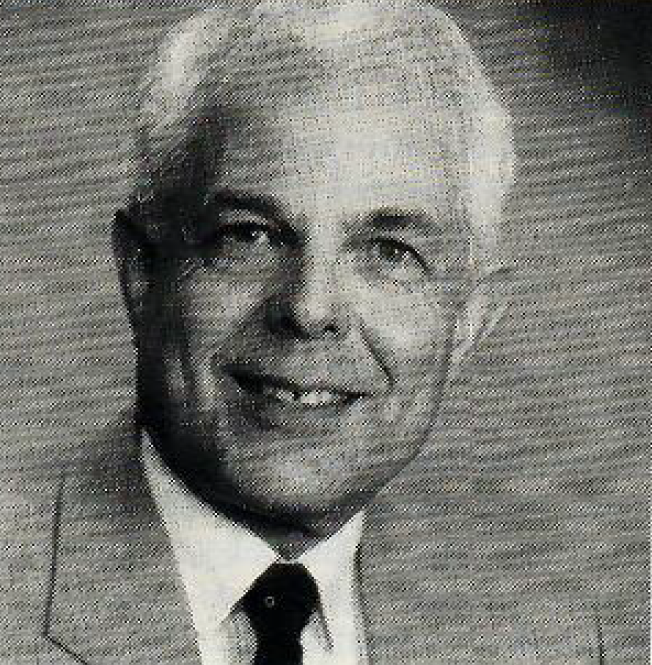
ROBERT R LEANE IS APPOINTED AS EXECUTIVE DIRECTOR OF THE INDEPENDENT SCHOOLS BOARD OF HEADMASTERS AND HEADMISTRESSES
Mr Robert R Leane joins the Independent Schools Board of Headmasters and Headmistresses as its first Executive Officer. The original membership includes 14 schools and grows steadily in the coming years: Annesley College Concordia College Immanuel College Prince Alfred College Pembroke School Pulteney Grammar School St Peters College St Peters…
-
1979
THE INDEPENDENT SCHOOLS BOARD OF HEADMASTERS AND HEADMISTRESSES IN SOUTH AUSTRALIA BECOMES THE SOUTH AUSTRALIAN INDEPENDENT SCHOOLS BOARD INC.
In May 1979, the Independent Schools Board of Headmasters and Headmistresses in South Australia changes its name to the South Australian Independent Schools Board Inc. (ISB for short). The membership includes all registered non-government schools, with Heads of schools acting as Board representatives. The South Australian Independent Schools Board Inc.…
-

-
1981
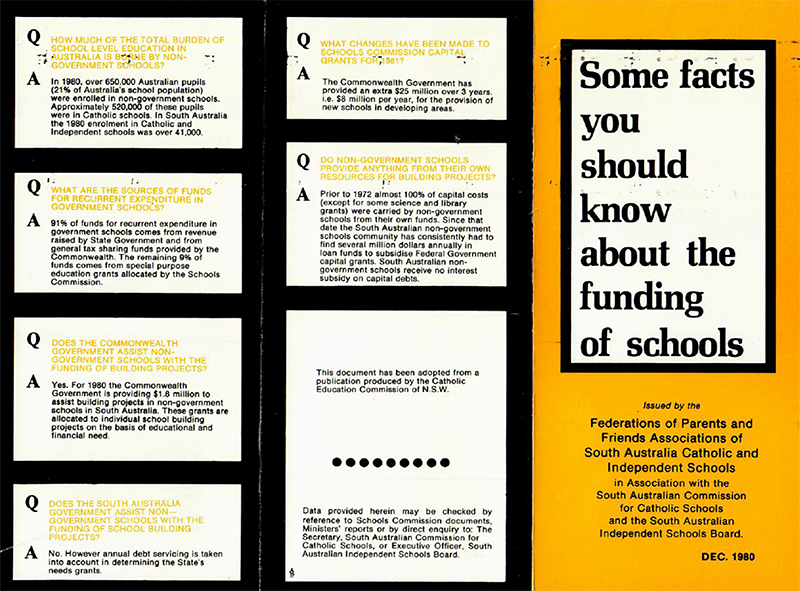
HIGH COURT DECISION FINDS IN FAVOUR OF COMMONWEALTH FUNDING OF NON-GOVERNMENT SCHOOLS
The Council for the Defence of Government Schools (DOGS), a lobby group of teachers and parents, is established in the late 1960s to challenge Commonwealth funding for non-government schools. The case, brought before the High Court in 1980, contests funding for religious schools, claiming it violates section 116 of the… -
1982
RELEASE OF THE KEEVES REPORT ON EDUCATION IN SOUTH AUSTRALIA
Mr JP Keeves releases the ‘Keeves Report’, formally known as Education and Change in South Australia. This report plays a significant role in shaping education reform in South Australia during the 1980s and beyond. The report presents 84 recommendations aimed at addressing the emerging challenges in the education system across… -
1984
ISB CHANGES FOCUS
The Constitution of the Association of Independent Schools of South Australia (“The Association”) is reviewed considering its widening membership, leading to the formation of the ISB Primary Heads Association. The Association’s objectives are to: provide a forum for consultation and cooperation between members; ensure that non-government schools in South Australia… -
1984
THE SENIOR SECONDARY ASSESSMENT BOARD OF SOUTH AUSTRALIA IS ESTABLISHED
Under the Senior Secondary Assessment Board of SA Act 1983, the Senior Secondary Assessment Board of South Australia (SSABSA) is established in 1984, replacing the Public Examinations Board of South Australia (1968-1983). The ISB, along with other sectors, is represented on the SSABSA Board. The Senior Secondary Assessment… -
1985
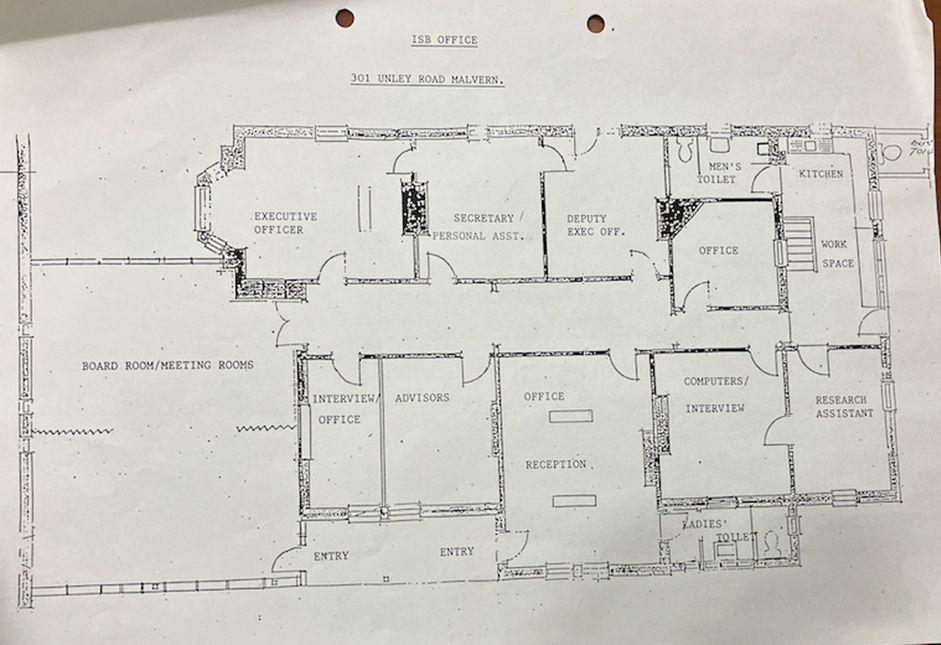
ISB MOVES TO NEW PREMISES FROM PARKSIDE AND NORWOOD TO MALVERN
In December 1985, the ISB moves to a larger office at 301 Unley Road, Malvern, with Minister Greg Crafter opening the building in March 1986 to celebrate this landmark event. Prior to this location, the ISB leases 33 Unley Road, Parkside in 1979 then at 22 Clarke Street, Norwood in… -
1986
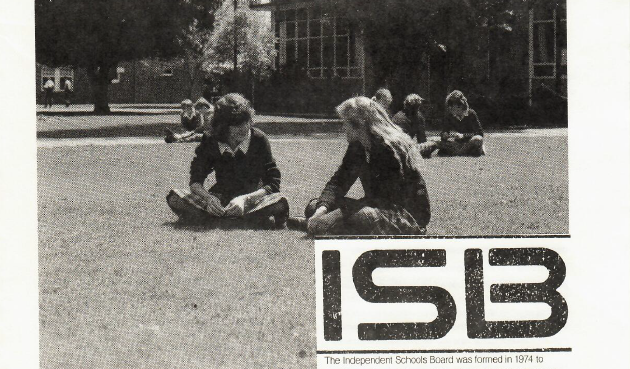
ISB REGISTERS AS AN ASSOCIATION WITH THE SOUTH AUSTRALIAN INDUSTRIAL RELATIONS COMMISSION
The ISB undergoes restructuring to facilitate its registration as an ‘association’ pursuant to the Fair Work Act 1994 (SA). This move is crucial in allowing the ISB to represent the industrial interests of its members in the South Australian Industrial Relations Commission. Objects of the Board to support… -
1987
ROBERT R LEANE PUBLISHES FUTURE DIRECTIONS OF THE BOARD
Future Directions stipulates that the role of the ISB is to act as a unifying voice; to express the shared needs and views of Independent schools, whilst allowing each member school to maintain their independence. Mr Robert R Leane releases the Future Directions of the Board on 19… -

1988
A REVIEW DEFINES THE ISB’S MAIN FUNCTIONS
In 1988, the Board is reviewed to identify its main functions in supporting schools. This includes: government funding function; educational function; industrial function; and miscellaneous functions, such as bushfire safety, OHSW, school registration and teacher registration. Some of the many miscellaneous functions that the ISB has embraced over… -

1989
THE YEAR 12 PROGRAM IS ESTABLISHED
South Australian Universities agree to accept students who improve their Matriculation scores by repeating a few subjects, creating a demand for a school that offers part-time enrolment options. The ISB meets this need for 8 years through its innovative Year 12 Program, which is open to students from all sectors.… -

-
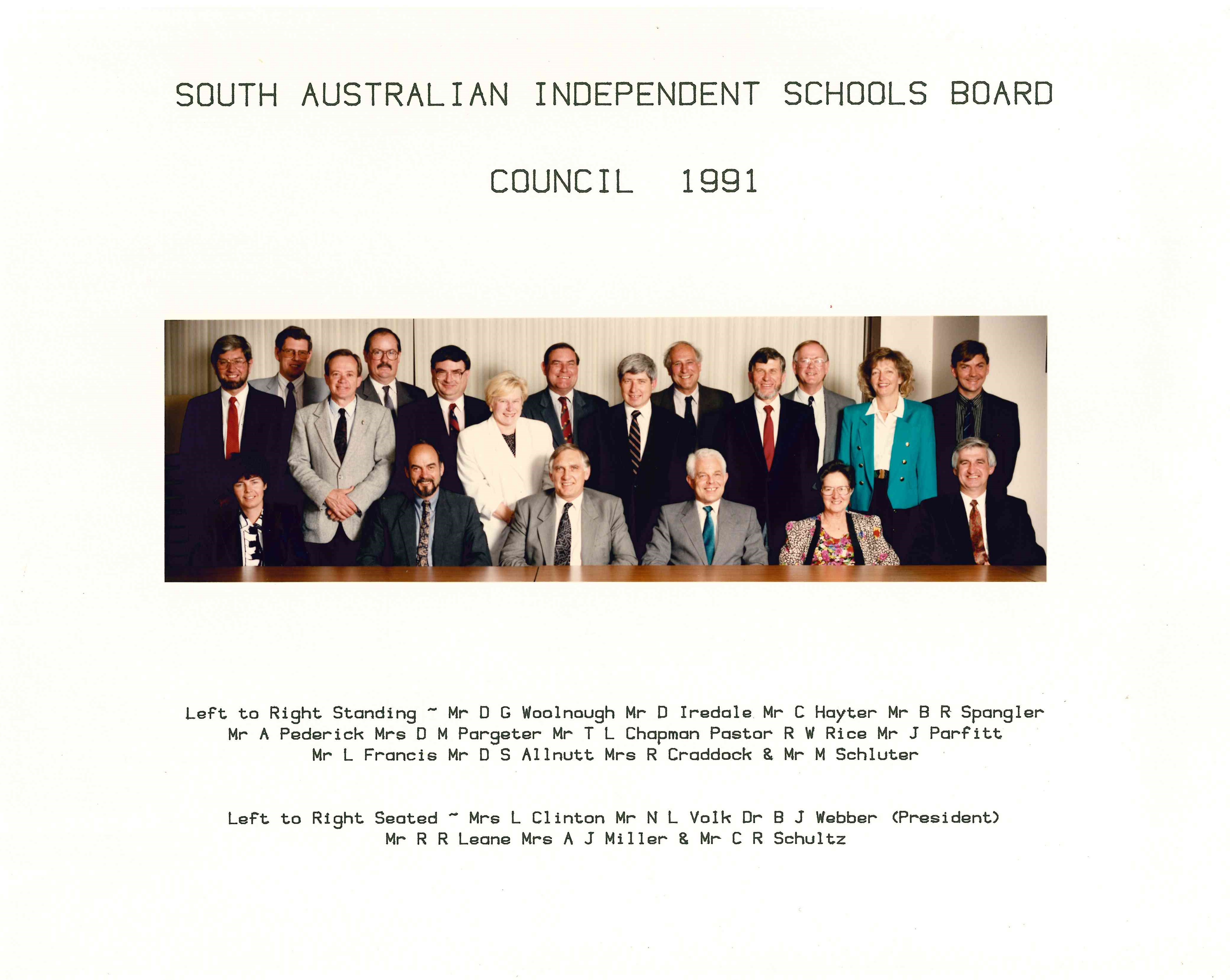
1990
ISB RESTATES ITS PURPOSE
With the development of the new SACE and the 1988 review, the ISB adopts a new Purpose; to: strengthen the capability of member schools to preserve their individual independence and to sustain their preferred approach to education; and develop, coordinate and represent the interests of Independent schools in respect of… -
1991
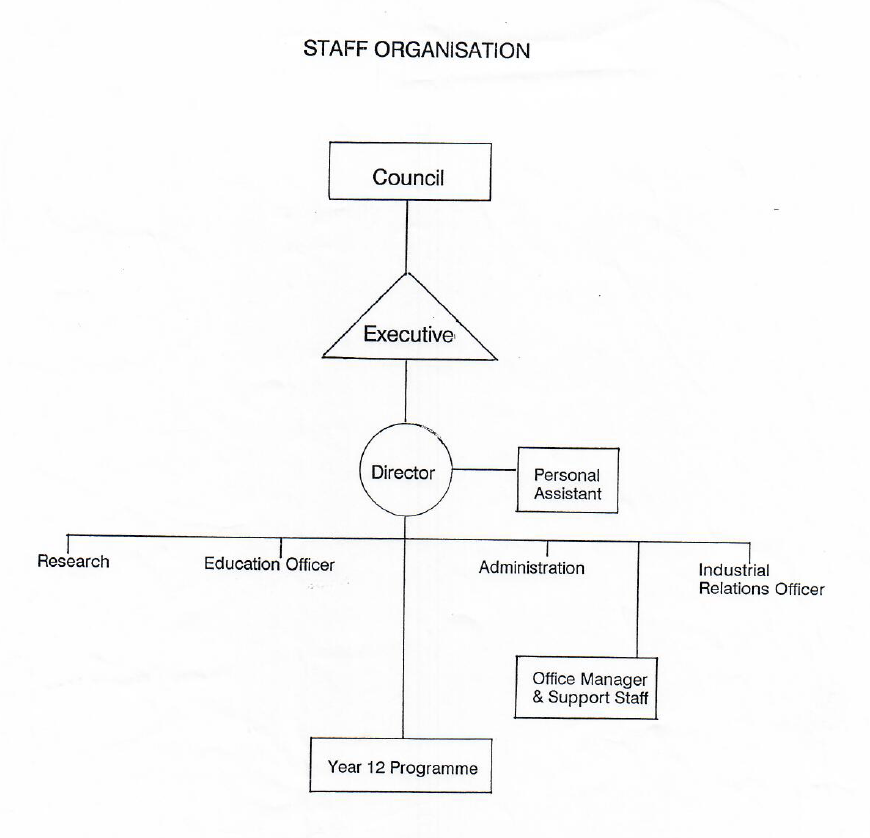
ISB STAFF ROLES ARE DEVELOPED
Due to the increasing complexities being faced by schools and the need for targeted support, the ISB creates new staff roles, including Director, Education Officer, Administrative Officer, Industrial Officer, Year 12 Coordinator, Special Education Coordinator and Advisors, Australian Second Language Learning Program Advisor, Occupational Health and Safety Advisor, Personal Assistant… -
1991
ISB CONSIDERS EXPANDING ITS PREMISES
Due to staff increase and the need for additional rooms to accommodate school membership growth, the ISB looks for new and larger premises. The former Kensington Park TAFE site at 11-13 King William Road, Kent Town is considered but is later abandoned as the Unley Council agrees to the extension… -

1992
ISB EXPANDS ITS SERVICES TO SCHOOLS
The Board, through its staff, provides services in the following major areas: responding on the various national and state curriculum initiatives through reference committees; industrial relations including award discussions and advocacy; advocacy and representation pertaining to legislative changes affecting schools; occupational health, safety and welfare advice; assistance with systems funds… -

1992
THE NEW SOUTH AUSTRALIAN CERTIFICATE OF EDUCATION (SACE) IS INTRODUCED
Following recommendations of the Gilding Report, the new South Australian Certificate of Education (SACE) is established. The SACE is first introduced in 1992 for Year 11 students, and in 1993, it is extended to Year 12 students as part of reforms to senior secondary education. These changes aim to provide… -
1994
ISB MEMBERSHIP SPOTLIGHT IS PUBLISHED
The booklet entitled Member Schools of the South Australian Independent Schools Board identifies that the ISB has more than 70 primary, secondary and R-12 non-Catholic, non-government schools as members, with a total enrolment of approximately 24,000 students. This publication continues to promote independence within each school, advocating for parents to… -

1995
GARRY LE DUFF BECOMES EXECUTIVE DIRECTOR
In June 1995, Mr Garry Le Duff is appointed as Executive Director, a role he holds for 17 years until February 2013. He identifies several challenges when he takes over the role, such as: significant growth in the number of Independent schools, particularly among the low fee schools in both… -
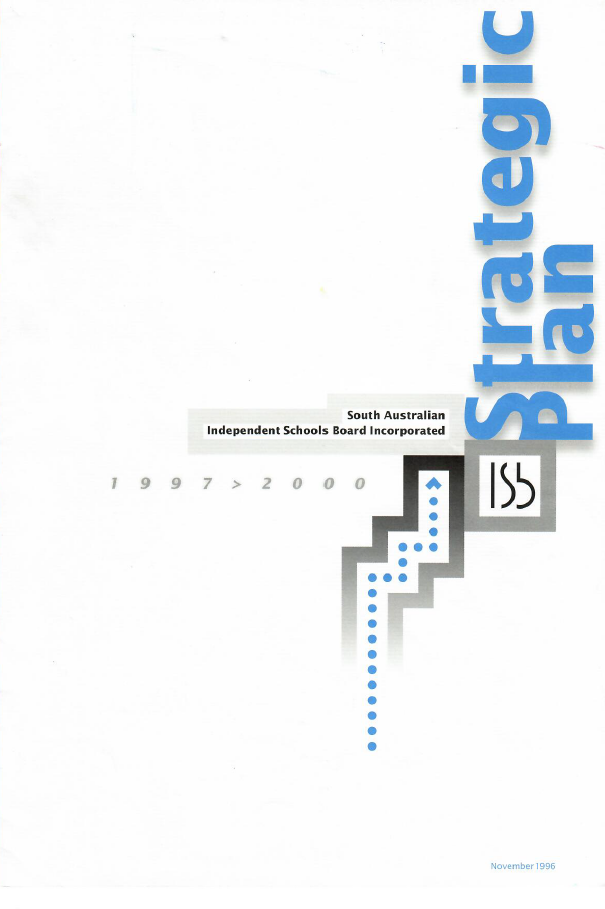
1996
ISB COUNCIL ENDORSES A NEW STRATEGIC PLAN FOR THE ISB
ISB Council endorse 5 key areas to ‘set new directions’ for the organisation and ensure its responsiveness to the needs of its member schools. To monitor and evaluate the effectiveness of the organisation, the Council focuses on: unity across the various interest groups within the ISB; lobbying / advocacy; communication… -
1999
NATIONAL GOALS FOR SCHOOLING IN THE 21ST CENTURY IS PUBLISHED
The 10th Ministerial Council on Education, Employment, Training and Youth Affairs (MCEETYA) releases The Adelaide Declaration on National Goals for Schooling in the Twenty-first Century, which states, “schooling provides a foundation for young Australians’ intellectual, physical, social, moral, spiritual and aesthetic development.” Schooling provides students with fully developed talents and… -

-
2000
INDEPENDENT SCHOOLS BOARD (ISB) BECOMES ASSOCIATION OF INDEPENDENT SCHOOLS OF SOUTH AUSTRALIA (AISSA)
Changes to the ISB constitution include a name change, which is designed to reflect the importance of partnership between the Association and its member schools. ISB logo AISSA logo (2000) Certificate of Registration of the AISSA’s change of name, dated 7 November 2000 -

2000
MEMBER SCHOOLS ENTER INTO ENTERPRISE AGREEMENT NEGOTIATIONS
Most schools successfully complete their enterprise agreement negotiations in 1999. By 2000, some member schools raise the possibility of reintroducing some form of collective bargaining for salaries. However, the majority of members still support the continuation of individual enterprise agreements. -

2001
SOCIO-ECONOMIC STATUS (SES) SCHOOL FUNDING MODEL IS INTRODUCED
A significant change occurs in the process for calculating school funding. The Socio-Economic Status model (SES) replaces the Educational Resources Index (ERI). The ERI measures a school’s capacity to raise funds. The SES measures the individual school community’s socio-economic status. The SES is phased in between 2001 and 2004, which… -

2001
AISSA OFFERS SUPPORT TO EARLY CHILDHOOD EDUCATION
The AISSA Board establishes a Pre-School Standing Committee in response to requests from member schools. This is the first time that the AISSA ventures into this area of early childhood education. -
2001
AISSA MANAGES AUSTRALIAN GOVERNMENT TARGETED PROGRAMS
The SA Independent Schools Targeted Programs Authority Inc (The Authority) provides support for Independent schools in South Australia to access Commonwealth funds for the following Commonwealth Targeted Programs: Strategic Assistance for improving Student Outcomes Program, including Literacy, Numeracy and Special Education. Languages Program, including National Asian Languages and Studies in… -
2002
COMMONWEALTH INCREASES FUNDING TO NON-GOVERNMENT SCHOOLS
The Ministerial Council on Education, Employment, Training and Youth Affairs (MCEETYA) develops An Agreed Framework of Principles for Funding Schools, which all State and Territory Labor Ministers endorse. The increase in funding is accompanied by an intensification in governments’ efforts to increase school accountability. Although education is a State government responsibility, this… -

2002
AISSA LAUNCHES RECONCILIATION STATEMENT
Recognising the need to advance Reconciliation through a range of strategies, the AISSA Board’s Statement guides future programs supported by Commonwealth funds and other activities planned by the Association. “The AISSA acknowledges that reconciliation is about acceptance, respect and recognition of Indigenous peoples. The AISSA also recognises that in… -

2002
AISSA’S NEW STRATEGIC PLAN FOR 2003-2007 IS LAUNCHED
As a result of the Board’s extensive review of its approach to governance, a Strategic Plan is developed to address 6 key areas: Collaboration and Partnership Communication Support Services Innovation Code of Ethics and Practices School Resources According to President, Mr MC Porter, “the Plan affirms the Association’s enduring… -
2003
CROSS-SECTORAL CHILD PROTECTION BECOMES A FOCUS
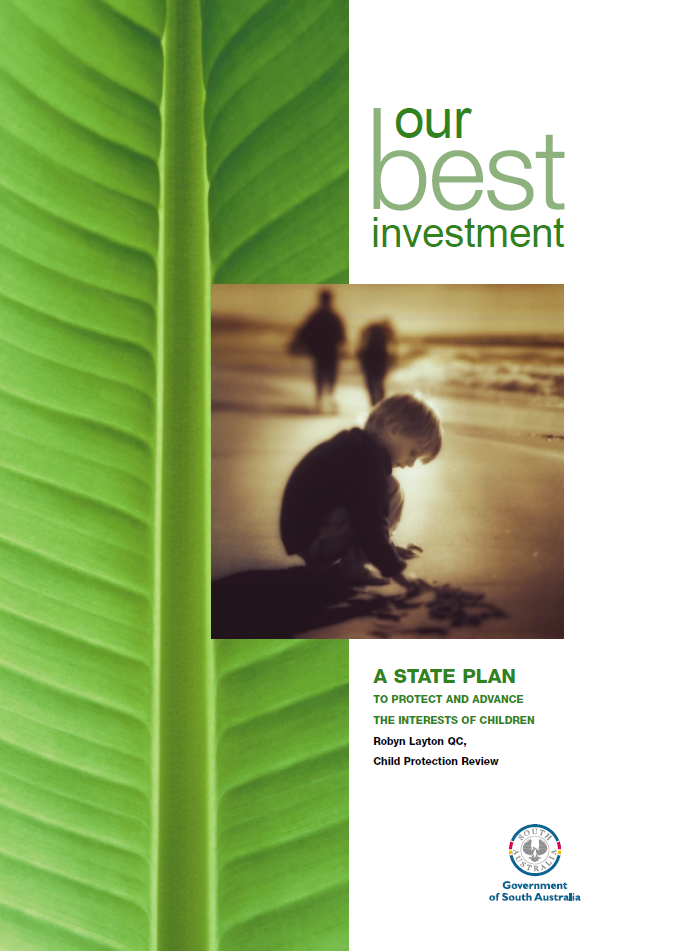
The Executive Intersectoral Child Protection Committee is established to advise the State Minister of Education and Children’s Services on child protection issues. This change is largely a result of a review into South Australia’s child protection system by the Hon Justice Robyn Layton QC and her resulting Report: Our Best… -
2005
A NATIONAL FRAMEWORK FOR VALUES EDUCATION IN AUSTRALIAN SCHOOLS IS INTRODUCED
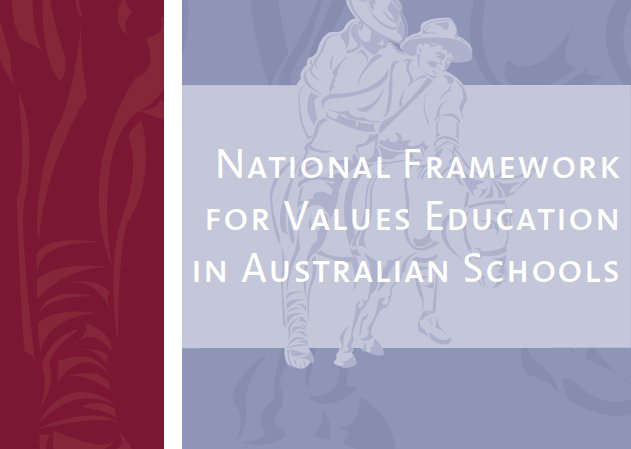
New regulations associated with the Schools Assistance (Learning Together – Achievement through Choice and Opportunity) Act are introduced progressively over 2005 to 2008. The Commonwealth Government publishes the National Framework for Values Education in Australian Schools including 9 values: care and compassion; doing your best; fair go; freedom; honesty and… -

2006
NON-GOVERNMENT SECTORS UNITE TO ACHIEVE BETTER OUTCOMES FOR SCHOOLS
Funding by the South Australian government for recurrent needs is amongst the lowest in the nation and no direct State capital grants exist. In seeking additional State funds for non-government schools, the AISSA and the South Australian Catholic Schools Commission establish a closer level of cooperation through a meeting of… -
2006
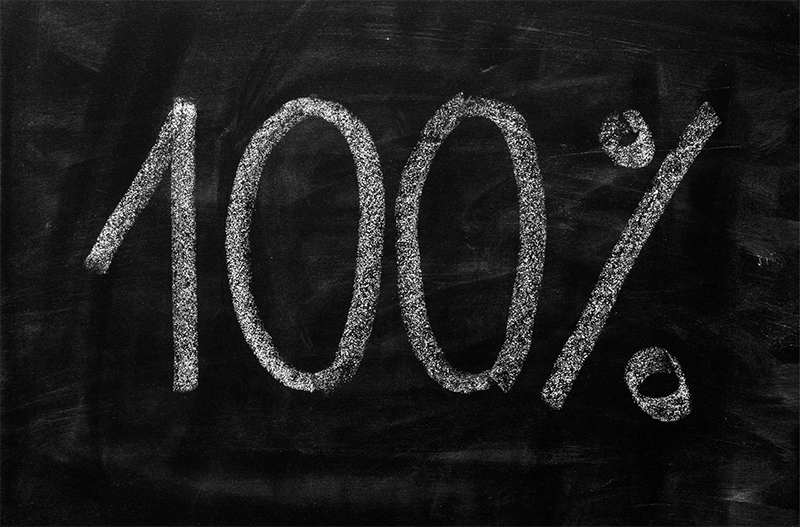
AISSA REACHES 100% MEMBERSHIP
In early 2006, the Association celebrates the achievement of 100% membership of South Australian Independent schools. This milestone highlights the strong partnership between member schools and the AISSA, enabling the AISSA office to gather valuable insights from a diverse range of schools within the membership. AISSA achieves its… -
2007
AISSA’S CENTRE OF EXCELLENCE & INNOVATION IN TEACHING & LEARNING IS LAUNCHED
Guided by the values outlined in the 2003-2007 Strategic Plan, the AISSA Centre of Excellence & Innovation in Teaching and Learning is created to ensure Independent schools in South Australia will be leaders in innovative approaches to education, both in Australia and internationally. This initiative targets school leaders and teachers… -
2007
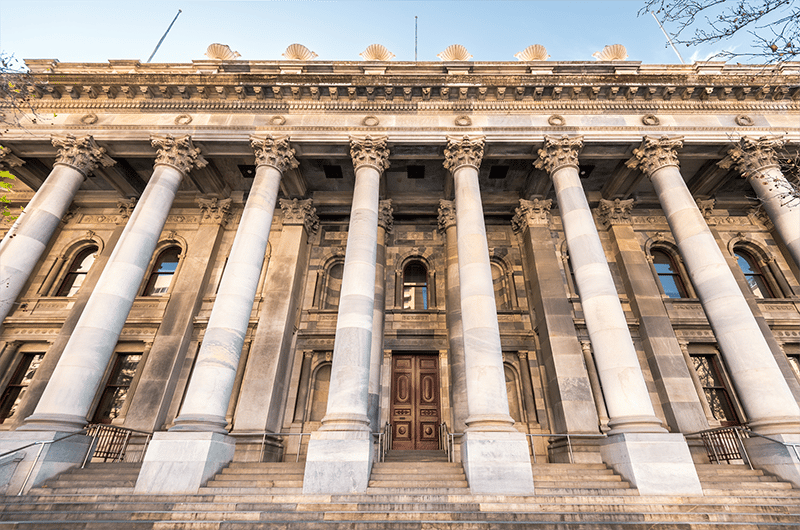
AISSA REPRESENTS INDEPENDENT SCHOOL SECTOR IN THE SACE REVIEW
The Social Development Committee of the South Australian Parliament conducts an inquiry into the South Australian Certificate of Education (SACE), with the AISSA representing the Future SACE Implementation Steering Committee through its Executive Director and the Assistance Director of Educational Services. The AISSA’s submission addresses the following matters: legislative and… -

2007
AISSA ESTABLISHES A FEDERAL ELECTION STRATEGY FOR THE 2007 ELECTIONS
The AISSA develops a communication strategy for the Federal Election in November 2007, which includes: meeting with Parliament members and candidates to educate them about the needs of the Independent school sector; producing informational materials that are distributed to the school communities, and local Parliament members and candidates; placing advertisements… -
2008
MAJOR EDUCATIONAL INITIATIVES BY GOVERNMENTS ARE INTRODUCED – RESHAPING THE EDUCATIONAL CONTEXT
The Melbourne Declaration on Education Goals for Young Australians is published by the Ministerial Council on Education, Employment, Training and Youth Affairs (MCEETYA). The Australian Curriculum, Assessment and Reporting Authority (ACARA) is established in 2008. Compulsory National Assessment Program – Literacy and Numeracy (NAPLAN) testing is introduced for students in… -

2008
SCHOOLS BENEFIT FROM COMMONWEALTH FUNDING
In response to the Global Financial Crisis in the late 2000s, schools receive funding for two initiatives: Building the Education Revolution (BER) and the Digital Education Revolution (DER). Under the BER initiative, every primary school in Australia receives a capital grant based on enrolment numbers. This naturally creates an intensive… -

2009
THE SOUTH AUSTRALIAN EDUCATION AND EARLY CHILDHOOD SERVICES (REGISTRATION, ACCREDITATION AND STANDARDS) BILL 2009 IS RELEASED FOR CONSULTATION
The Bill proposes wide ranging and complex procedures for investigation of complaints and the imposition of disciplinary action against a school or individuals, including Board members. It raises the potential risk that Independent schools would become embedded in centralised government administration. The Bill is a very significant legislation for the future… -
2009
AISSA OFFICE ACCOMMODATION EXPANDS
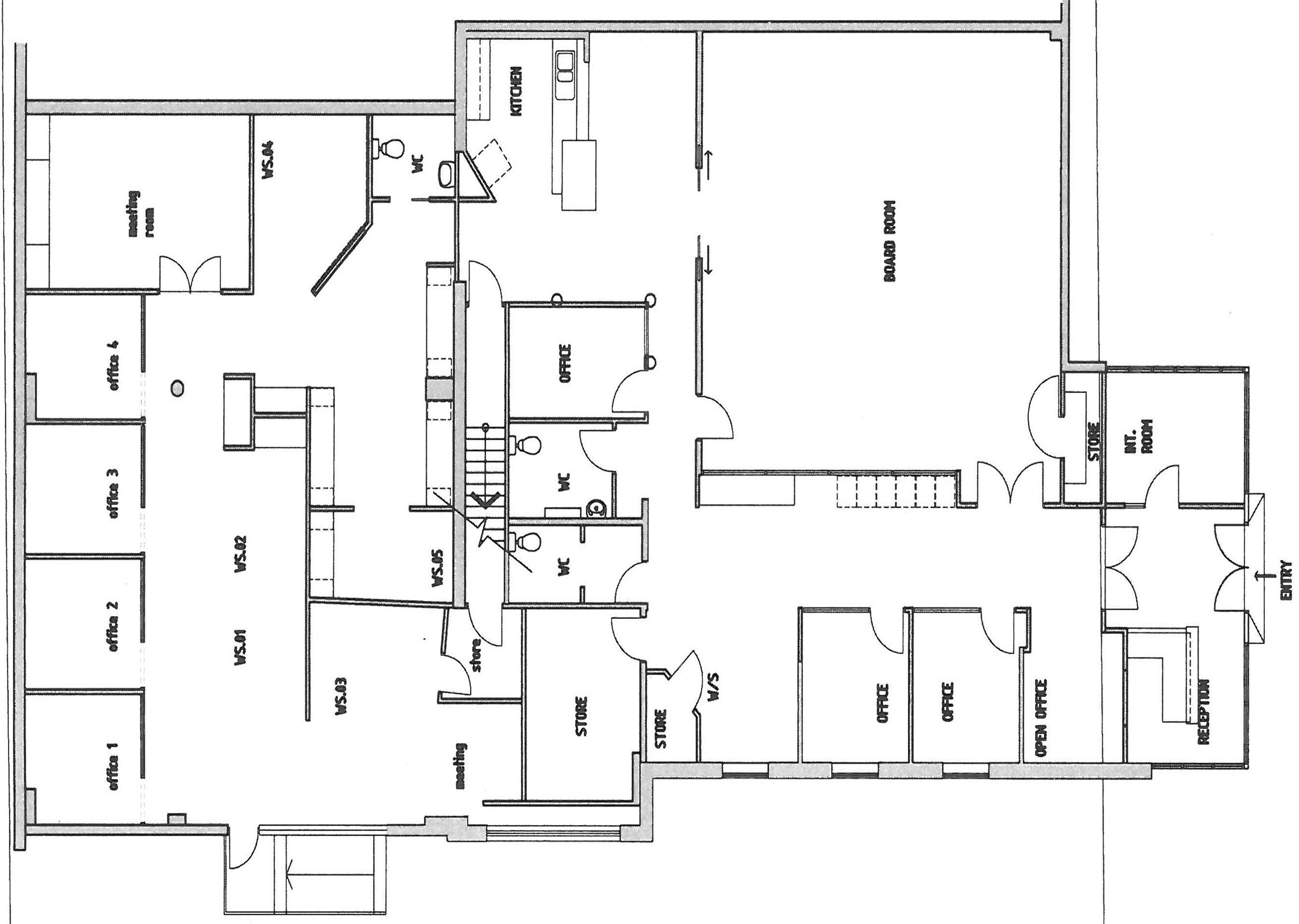
Due to the increase in staffing, expansion of Federal programs, and the desire for member schools to meet collectively, the addition of 277 Unley Rd via a lease arrangement enables the AISSA to provide a number of additional offices and a meeting space able to support medium-sized meetings, including professional… -

-
2011
AISSA AND CESA HAVE ONGOING ENGAGEMENT WITH THE STATE GOVERNMENT
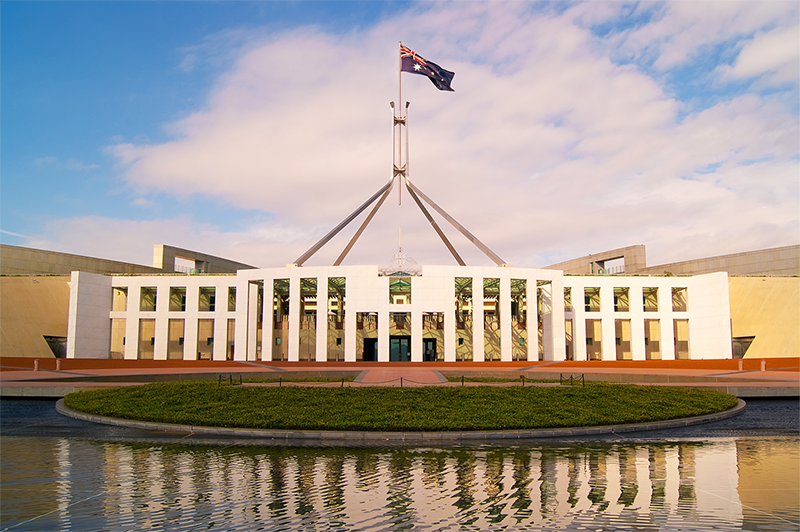
The South Australian Education and Early Childhood Services (Registration & Standards) Bill is the subject of ongoing significant negotiations between the AISSA, Catholic Education South Australia (CESA) and the State government.
The State Minister for Education develops plans to establish an Office for Non-government Schools and Services. The AISSA emphasises its concern that this would limit direct access to the Minister, which would reduce the Association’s capacity to advocate on behalf of member schools.
-

2011
AISSA BOARD COMMENCES SEARCH FOR NEW ‘FIT FOR PURPOSE’ HOME
The Board commissions a consultant to identify the AISSA’s accommodation requirements due to the increasing demands of new Australian government programs and the expansion of early childhood services. A property search is underway in the following year. -
2011
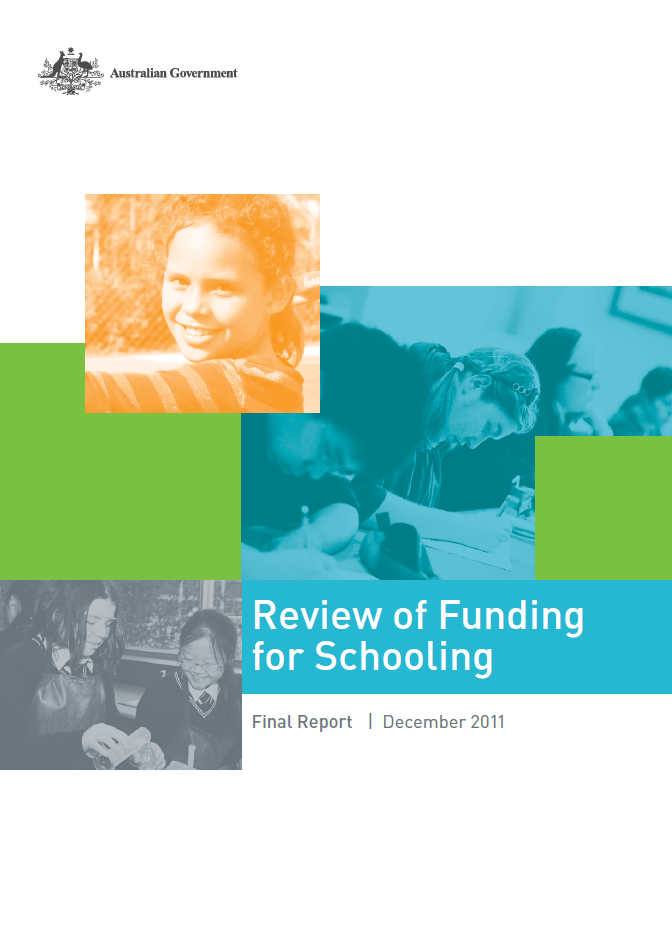
THE REVIEW OF FUNDING FOR SCHOOLING FINAL REPORT IS RELEASED
The Review of Funding for Schooling, colloquially known as the ‘Gonski Report’, is released in December 2011. An initiative by the Australian government, headed by Mr David Gonski AC, the review proposes the establishment of a funding system, which enables every child to have access to high quality education regardless… -
2012
REGULATION AND REPORTING INCREASES FOR AISSA AND ITS SCHOOLS
The Australian Charities and Not-for-profits Commission (ACNC) is established in December, which added further regulatory requirements for schools and the Association.
On a State level, the new Education and Early Childhood Services Registration and Standards Board commences operation. There is considerable negotiation about the criteria to be used to determine the standards that schools would be required to meet for registration purposes. For the first time in SA's history, government schools are to be subject to the same processes as non-government schools in regard to registration.
-
2013
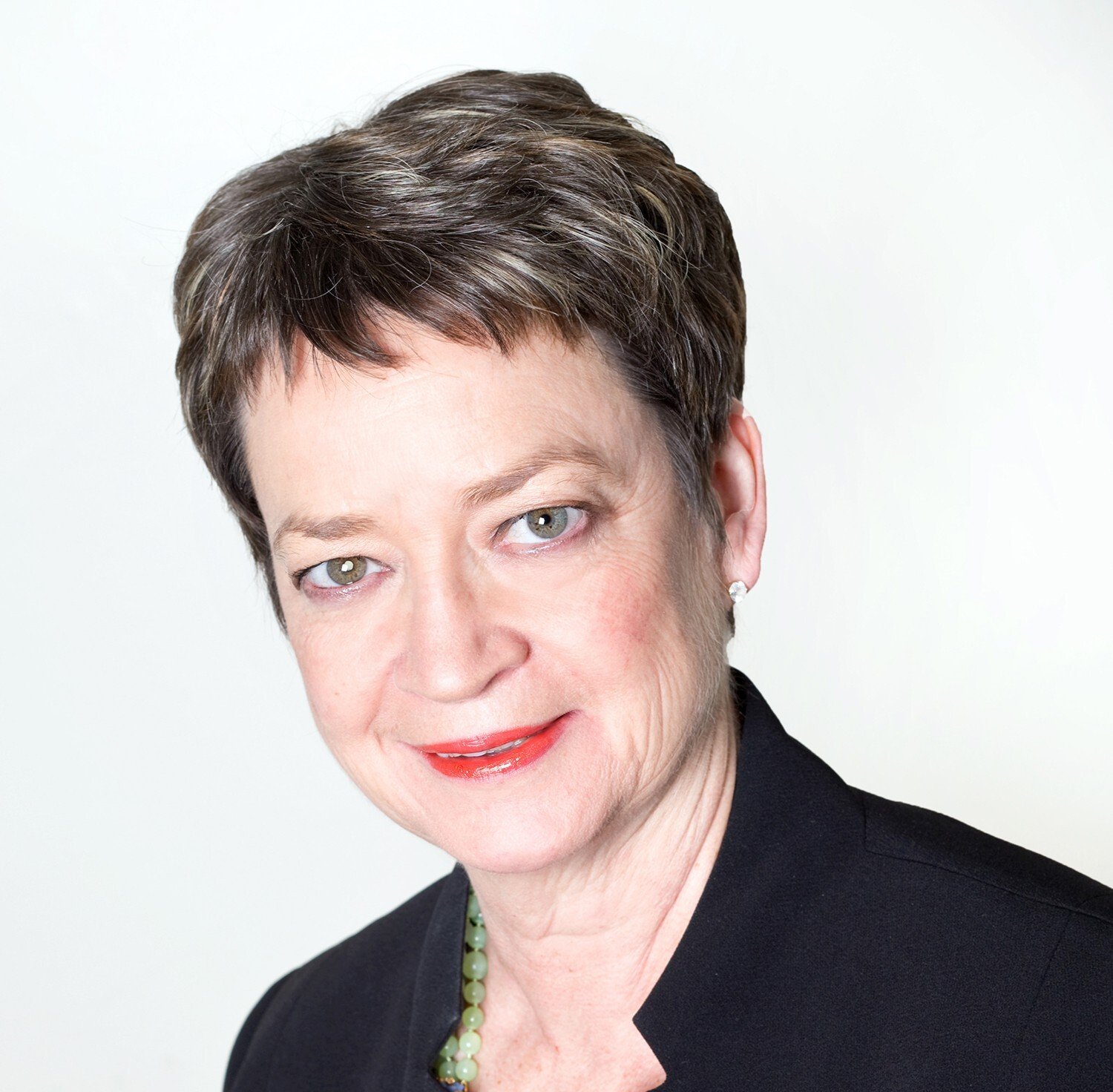
AISSA APPOINTS A NEW CHIEF EXECUTIVE
Outgoing Chief Executive, Mr Garry Le Duff announces his intention to retire in early 2013 after 17.5 years serving the AISSA. After his outstanding leadership, the Association is in a very strong position as a high-quality service provider, a leader in shaping the education debate, and well placed to deal… -

2013
THE AUSTRALIAN EDUCATION ACT 2013 AND GONSKI 2.0 ARE INTRODUCED
Targeted Programs (begun in 2001) cease and are replaced by Government Priorities under the Australian Education Act 2013. This Act establishes the new funding model (‘Gonski 2.0’), which includes a per capita payment for each student and additional loadings for indigeneity, disability, low socio-economic background and English as an Additional… -

2013
CROSS-SECTORAL COLLABORATION IS ESTABLISHED TO SUPPORT HIGHLY ACCOMPLISHED AND LEAD TEACHERS
A Memorandum of Understanding for the joint establishment of the South Australian Teacher Certification Committee (SATCC) is signed, enabling teachers to be assessed as Highly Accomplished or Lead Teachers in accordance with the Australian Teacher Performance and Development Framework. -
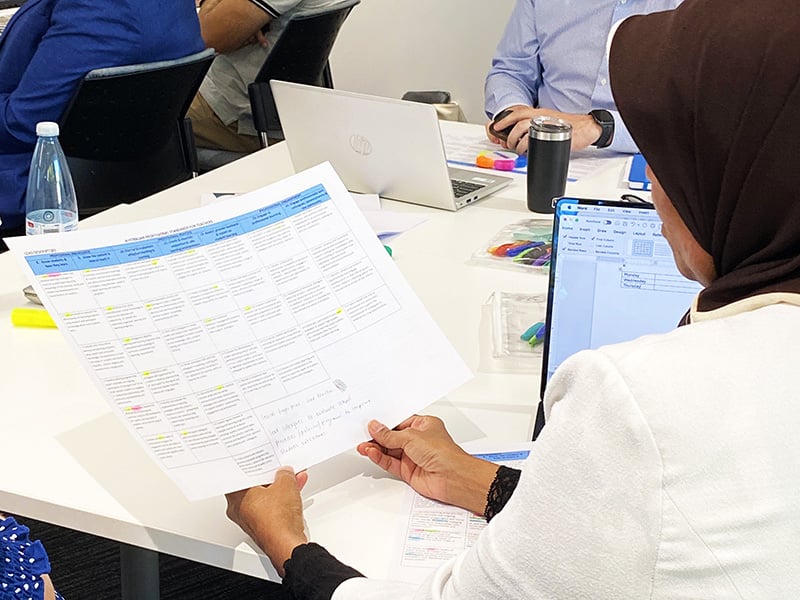
2014
NATIONAL TEACHER CERTIFICATION FOR HIGHLY ACCOMPLISHED AND LEAD TEACHERS IS INTRODUCED
In 2011, the Australian government endorsed the Australian Professional Standards for Teachers, initiating a shift towards a more consistent national approach to teacher quality. These standards defined what great teaching looks like across the country. In 2014, the Australian Institute of Teaching and School Leadership (AITSL) introduces National Teacher Certification… -
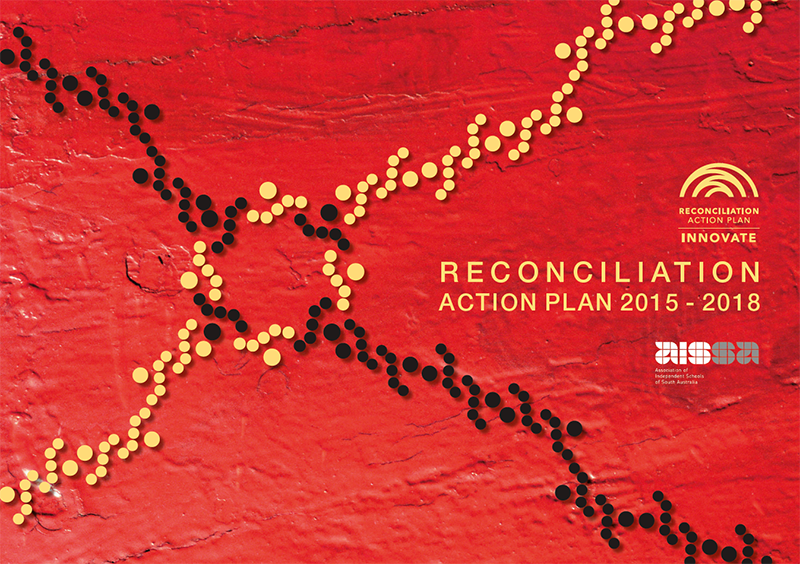
2014
AISSA LAUNCHES ITS FIRST RECONCILIATION ACTION PLAN – INNOVATE
The Reconciliation Action Plan (RAP) is an iterative process of staff consultations that lasts for over a year in 2014, where the RAP Working Group (RWG) refines the RAP in response to feedback. The members of the RWG include Carolyn Grantskalns, Chair, Lynda Secombe, Rosemary Kadow, Barbara Murray, Marilyn Wall… -

2014
THE NEW ‘STUDENTS FIRST’ FUNDING MODEL IS IMPLEMENTED
Replacing the ‘Better Schools’ funding, the AISSA’s member schools gain access to the new ‘Students First’ funding. The AISSA successfully negotiates additional funding to be distributed across the sector to compensate for the loss of Targeted Programs and National Partnerships. Schools transition to their full funding allocation over 6 years.… -

2014
AISSA’S SENIOR EDUCATIONAL CONSULTANT (SEC) MODEL IS INTRODUCED
In 2014, the Senior Educational consultant (SEC) team is established. Each school is assigned an SEC to support them in their school improvement journey. The approach is designed to enable the AISSA to be responsive to the context and needs of each individual school. The SEC becomes a ‘critical friend’… -

2014
AISSA COMMENCES WORK TO FIND NEW PREMISES FOR THE ASSOCIATION
The AISSA Board begins the search for a new office as part of the revised strategic directions and long-term financial planning for the Association. Alongside the office search, the Board invests in new technology to enhance service support to member schools and improve the management of associated risks. -
2014
AISSA OBTAINS REGISTRATION AS A REGISTERED EMPLOYER ORGANISATION UNDER THE FAIR WORK (REGISTERED ORGANISATIONS) ACT 2009
The AISSA lodges an Application of Registration as an Employer Organisation under the Fair Work (Registered Organisations) Act 2009 in February, with the registration taking effect on 26 May 2014. This registration is crucial given that Independent schools are considered ‘national system employers’ with industrial coverage now falling under the… -

2014
AISSA HOLDS ITS INAUGURAL GOVERNANCE CONFERENCE
The Governance Conference takes place at Walford Anglican School for Girls, replacing the previous Governance Program, which focused on a series of after-school seminars throughout the year. With the theme of Best Practice Governance for Schools, this one-day professional learning event draws 70 participants. The successful conference provides a platform… -

2015
THE NAO HUMANOID ROBOT RESEARCH PROJECT IS INTRODUCED
The AISSA launches the NAO Humanoid Robot Research Project, strengthening the Independent sector’s position as an innovator and leader in Science, Technology, Engineering and Mathematics (STEM) education best practices. The AISSA makes a significant investment through the Centre for Excellence & Innovation in Teaching & Learning by purchasing two NAO… -
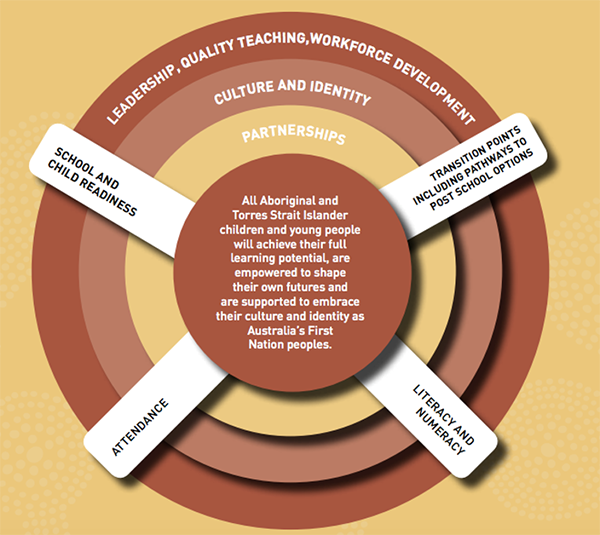
2015
THE INDIGENOUS SECONDARY STUDENTS MENTOR PROGRAM IS INTRODUCED
The AISSA, through funding provided as part of the Australian Government Indigenous Advancement Strategy, offers a mentoring program for First Nations secondary students in Independent schools. The program provides relevant and engaging mentoring that aims to foster social and emotional wellbeing, identity development, and positive educational outcomes. This is provided… -
2016
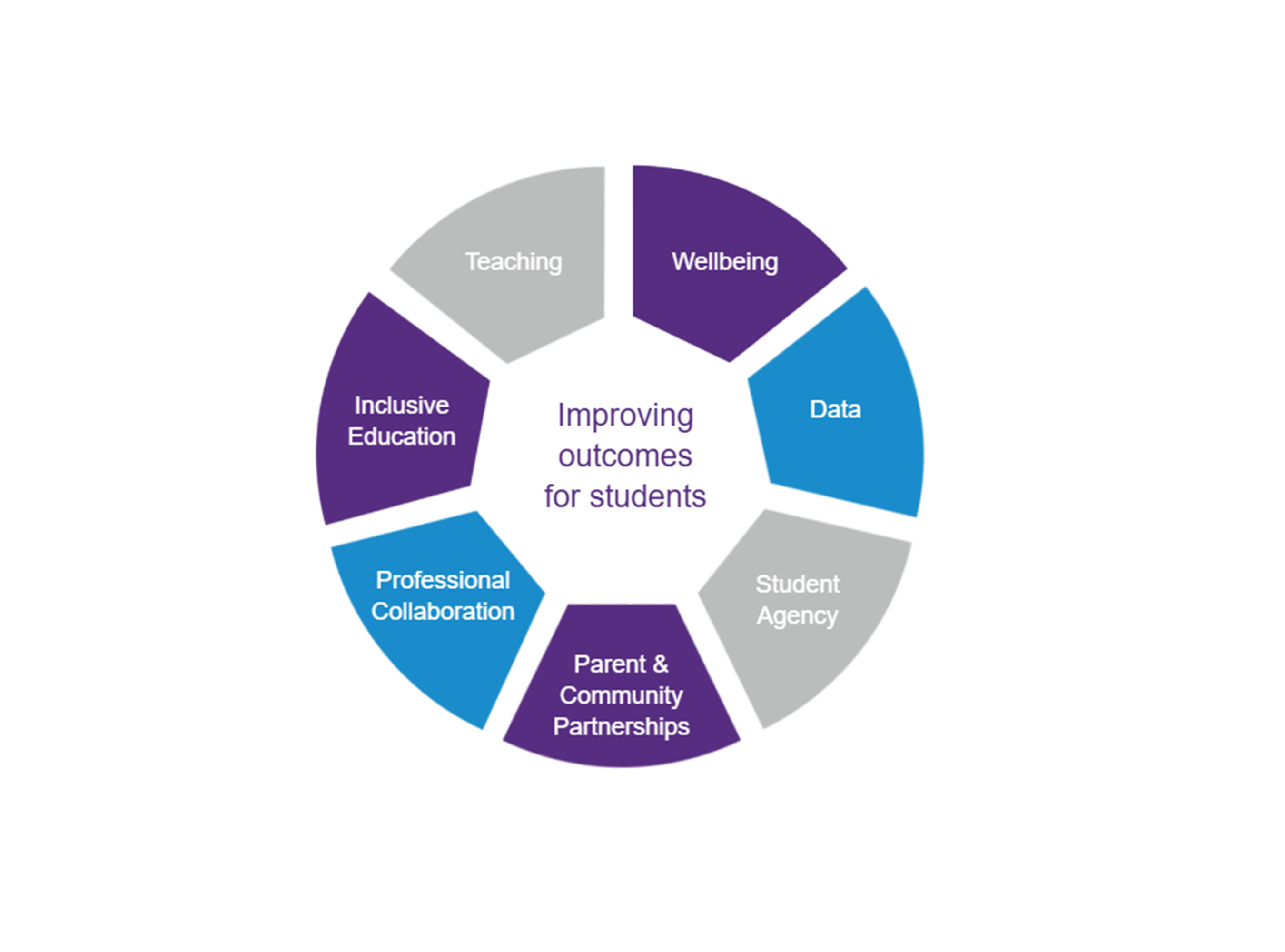
THE HIGH IMPACT SCHOOL IMPROVEMENT TOOL (HISIT) IS LAUNCHED
The AISSA High Impact School Improvement Tool (HISIT) is designed to support leaders to undertake targeted, explicit and effective school improvement processes based on research, designed to make a real difference to student learning. The HISIT contains components on Leadership, Data, Curriculum, Teaching, Collaboration, Community, Partnerships, Future School and Student… -
2016
AISSA LAUNCHES ITS NEW BRAND
As a result of a thorough process of consideration by the AISSA and the Board’s strong belief in the Association and its member schools as leaders in educational best practices, the AISSA launches its new branding. The new branding reflects the AISSA’s vision for the Independent school sector to be… -
2017
AISSA COMMENCES EVIDENCE-BASED PRACTICE AND RESEARCH PARTNERSHIPS
The ChallenGE Project, developed in conjunction with Flinders University, focuses on supporting highly able learners. This 3-year project connects practitioners in schools with experts in learning and teaching, gifted education, Design Thinking and research, with ChallenGE resources available through Flinders University’s web-based online learning platform. The project helps schools develop… -
2017
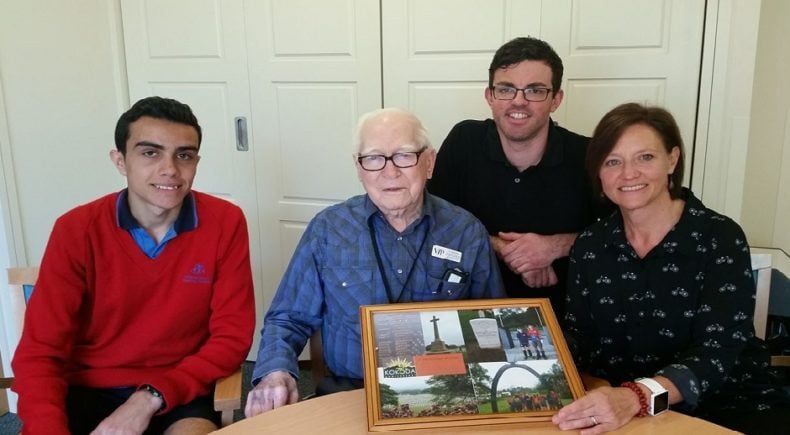
INDIGENOUS STUDENT MENTORING EXPANDS
In its second year, the AISSA Indigenous Secondary Students Mentor Program grows from 55 students to 112 students across 20 schools by the end of 2017. The program uses a mixed methods mentoring approach, combining face-to-face and e-mentoring, to provide Indigenous students with tailored mentoring that meets their individual needs.… -
2017
AISSA’S NEW HOME IS IDENTIFIED
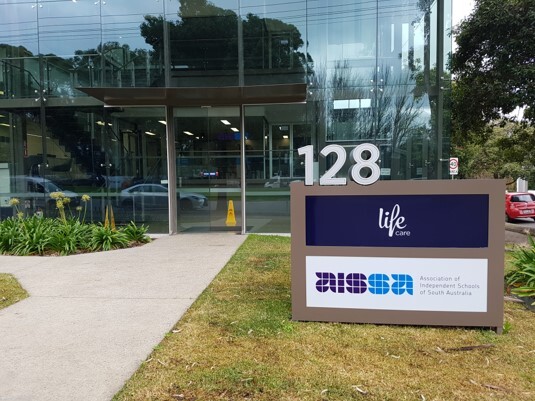
The search, which began in 2011, leads the AISSA to its new site at 128 Greenhill Road, Unley, an office deemed appropriate to accommodate the needs of its staff and member schools. The Board School Resources Reference Group and its Finance Committee unanimously recommend leasing as the most prudent approach.… -
2017
CHILD PROTECTION BECOMES A FOCUS
The ‘Nyland Report’ (SA) and the Royal Commission into Institutional Responses to Child Sexual Abuse are released. Both reports emphasise the obligation of schools to protect their students from sexual abuse. In December, the Royal Commission presents its final report to the Governor General, outlining the results of a 5-year… -
2017
AISSA HOLDS ITS FIRST OVERSEAS STUDY TOUR TO THE USA
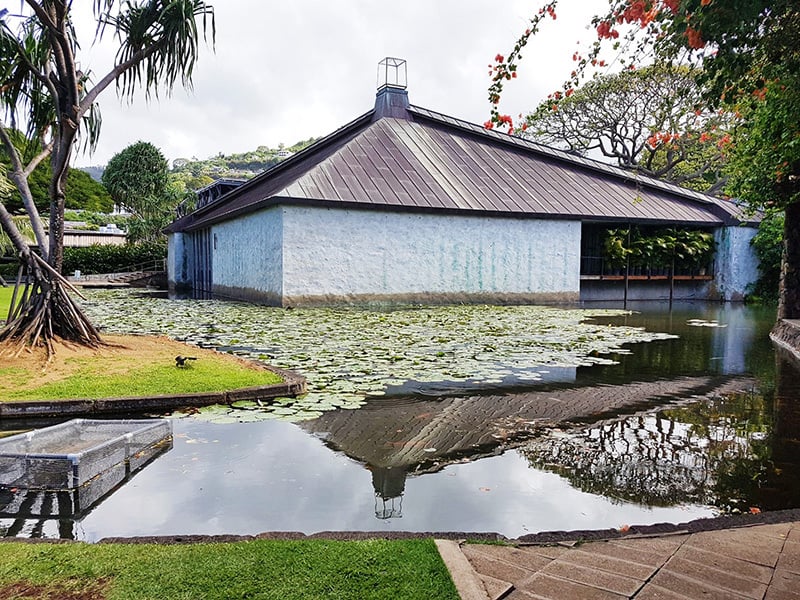
In early 2017, leaders from the AISSA and AISWA work closely with thought leaders, Distinguished Professor Yong Zhao, Larry Rosenstock, founder of Hi-Tech High, and John Cahalin, co-founder of EdCorp and Real World Scholars. Participants visit Punahou School and the Mid-Pacific Institute in Hawaii, along with High Tech High in… -

2018
GOVERNMENT CHANGES THE COMMONWEALTH FUNDING MODEL
Under the Quality Schools Package, the Australian Government funds 80% of a non-government school’s Schooling Resource Standard (SRS) from 1 January 2018. An initial ten-year transition period is announced, but later reduced to six years for schools transitioning to 80% Some loadings are adjusted, including the loading for Students with… -

2018
AISSA SECURES A NEW STATE GOVERNMENT FUNDING DEAL
As part of a new deal negotiated by the AISSA and CESA with the State Government in the lead up to the 2018 State election, non-government schools will transition to 22% of their ‘Gonski’ Schooling Resource Standard (SRS). In addition, the AISSA successfully secures a $5.5 million State capital grant.… -
2018
AISSA IS WELCOMED TO NEW PREMISES
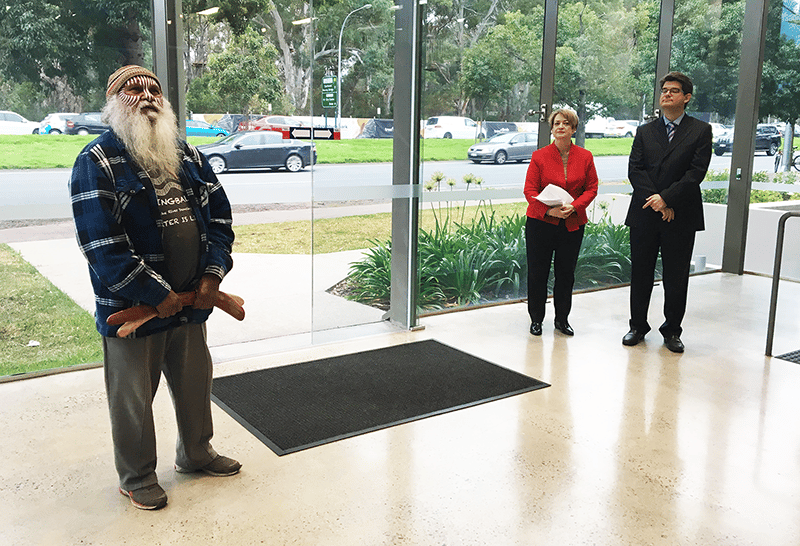
The AISSA moves to its new premises at 128 Greenhill Road, officially opening on 10 August, with a smoking ceremony conducted by Major Lancelot Sumner AM (Uncle Moogy), a senior Elder of the Kaurna and Ngarrindjeri peoples. The new office is designed, tendered and fitted by Swanbury Penglase Architects and… -
2018
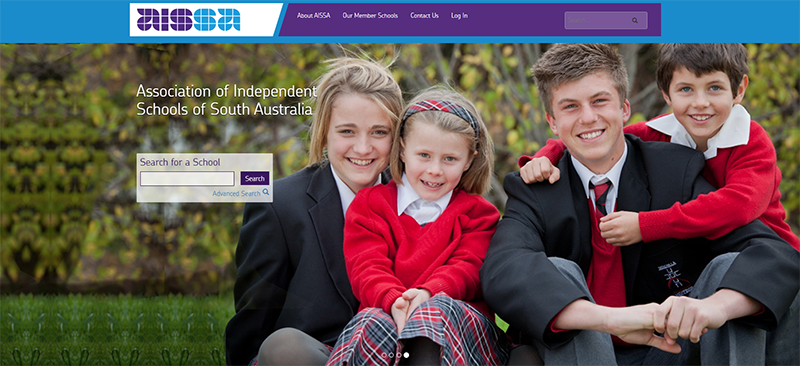
AISSA LAUNCHES NEW WEBSITE
The new AISSA website features Members-only sections, enabling more information to be loaded onto the website with specific sections for the general public and parents, staff in member schools, and more access to a range of confidential legal and employment information for leaders in schools. -

2019
BILATERAL FOCUSES ON QUALITY SCHOOL REFORM
3 national priorities are highlighted by the South Australian and Australian government in this Bilateral Agreement and are central to the work of the AISSA. These include: implementing an intentional focus on quality assurance for the Nationally Consistent Collection of Data on School Students with Disability (NCCD); supporting school communities… -
2019
AISSA SUPPORTS IMPROVED CHILD PROTECTION INITIATIVES
The 2019 Governance Conference is hosted by Mr Robert Fitzgerald AM, Commissioner to the Australian Government’s Royal Commission into Institutional Responses to Child Sexual Abuse, who stresses that it is essential that policies and processes start with and continue to prioritise the best interests of each child. A new Working… -
2019
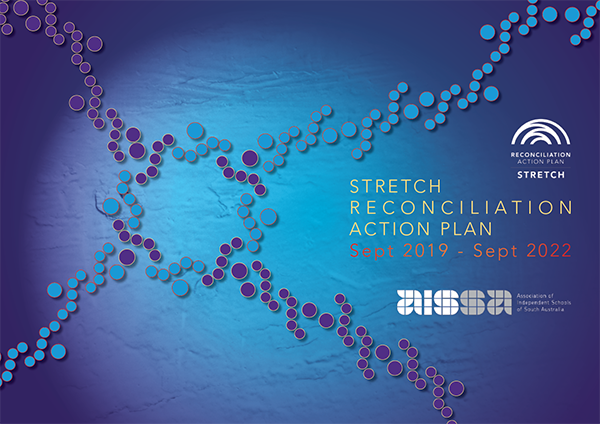
AISSA’S FIRST ‘STRETCH’ RECONCILIATION ACTION PLAN IS LAUNCHED
The Premier of South Australia, the Hon Steven Marshall, launches the AISSA’s Stretch Reconciliation Action Plan. This Stretch RAP builds on the major achievements of the AISSA’s 2015-2018 Innovate RAP. Ngarrindjeri and Kaurna Elder, Major Lancelot Sumner AM (Uncle Moogy), conducts the Welcome to Country and Smoking Ceremony before the… -

-

2020
THE DECADE IS MARKED BY A TUMULTUOUS START
The decade of the 2020s begins with significant bushfires in NSW, VIC, QLD, ACT, WA and SA. The World Health Organisation declares the Coronavirus (COVID-19) a public health emergency of international concern (PHEIC) on 30 January 2020. The Australian Government closes its borders, effective from 19 March 2020. The… -

2020
COVID-19 IMPACTS THE AISSA, ITS MEMBER SCHOOLS, AND THE ENTIRE EDUCATION SECTOR
On 31 March, in response to the Australian Government guidelines, the AISSA transitions its operations to remote delivery, with most staff working from home until July. Professional Learning and meetings with member schools shift to Zoom and Microsoft Teams to minimise COVID risks. The well-established cooperation among the three school… -
2020
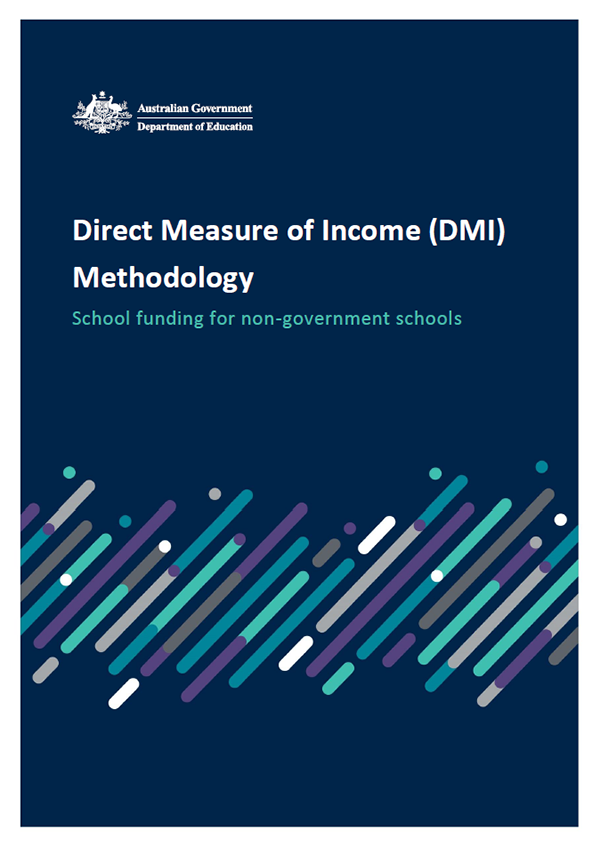
DIRECT MEASURE OF INCOME (DMI) METHODOLOGY IS INTRODUCED
In 2020, the Australian Government introduces the Direct Measure of Income (DMI) Methodology to determine the capacity to contribute score for Commonwealth funding. Transition arrangements are put in place. The DMI assesses a school community’s financial capacity, using median income data from parents and guardians, sourced from income tax… -

2021
REGIONAL BUS SUBSIDIES ARE SECURED
In the 2020-21 Budget, the State Government announces the provision of funds for regional transport services for students attending rural non-government schools, following advocacy from the AISSA and CESA. The AISSA also manages the distribution of the funding on behalf of the State Government in the South Australian Independent school sector. -

2021
COVID CONTINUES TO DISRUPT
Support and advice on managing the COVID-19 pandemic in member schools dominate the work of the AISSA staff, who also continue to focus on areas such as school registration, copyright, compliance and accountability, child protection, behaviour management, enrolment, Commonwealth and State Government data collections and student attendance. International students begin… -

2022
AISSA COMMISSIONS MARKET RESEARCH
Wider educational matters include the Review of the National Reform Agreement, the proposed Teacher Registration Board Code of Conduct, and the introduction of a national Unique Student Identifier. Two key projects, guided by the AISSA’s strategy to promote sector growth and strengthen the education market, includes market research into the barriers that prevent parents from choosing an Independent school, and the development of a demographic tool to assist member schools in forward planning.
-

2022
STUDENT MENTAL HEALTH AND WELLBEING TASKFORCE IS ESTABLISHED
The AISSA Student Mental Health and Wellbeing Taskforce, in collaboration with Emeritus Professor Donna Cross, focuses on developing practical strategies for implementing whole-school wellbeing practices that emphasise building staff capacity and enhancing student outcomes. The Taskforce recognises that schools play a powerful role, with the most important approach being the… -
2022
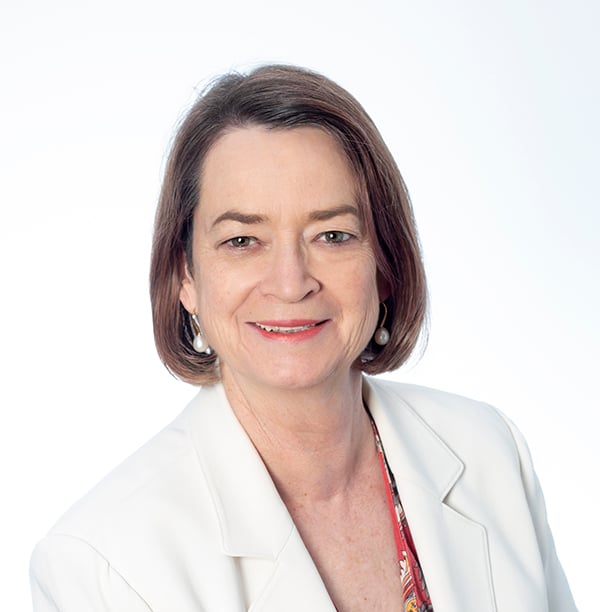
CHIEF EXECUTIVE, CAROLYN GRANTSKALNS ANNOUNCES RETIREMENT PLANS
Chief Executive Carolyn Grantskalns announces her intention to retire in late 2022 / early 2023, prompting a search for the AISSA’s next Chief Executive. Carolyn takes pride in the work the AISSA has done in Reconciliation particularly. One of the highlights of her 10 years of service as Chief Executive… -

2023
NEW CHIEF EXECUTIVE ANNE DUNSTAN COMMENCES
After an extensive search, Anne Dunstan is appointed to lead the AISSA commencing in January 2023, becoming only the fourth person to hold this role in its 48-year history. Anne is most recently Principal of Guildford Grammar School in Perth and was Principal of Pulteney Grammar School prior to that… -
2023
THE COMMONWEALTH REFORM SUPPORT FUND IS DISCONTINUED
The Australian Government determines it will no longer fund Independent School Associations and the Catholic sector to support schools in meeting the requirements of the National School Reform Agreement (NSRA). This decision leads to a reduction in staffing at the AISSA and highlights the strategic need to diversify its funding… -
2023
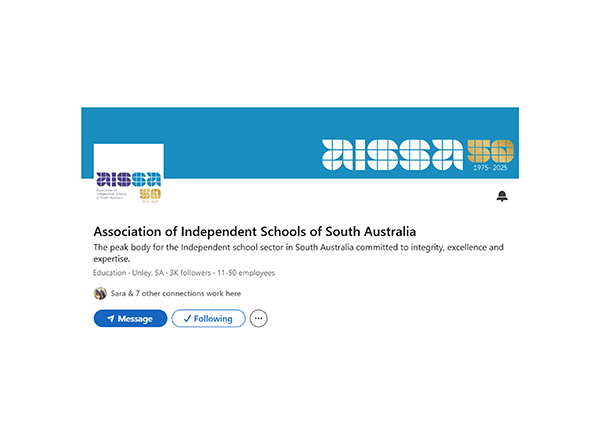
AISSA FOCUSES ON SOCIALS
The decision is made to increase the AISSA’s social media presence in order to celebrate and share the high impact work of the AISSA, its member schools, and the Independent education sector. A new dedicated LinkedIn page is created. -

2023
MID-YEAR RECEPTION FUNDING CEASES
The Australian Government determines Mid-year Reception students ineligible for government funding, impacting Independent and Catholic schools in South Australia. This is a significant departure from established practice over a number of years. This decision leads to a significant impact on non-government schools, which rely on this funding to support the… -
2023
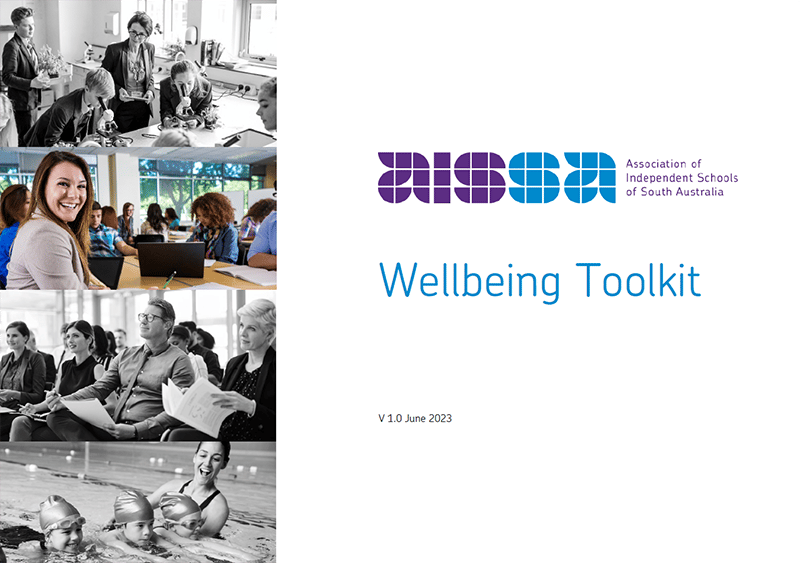
AISSA WELLBEING TOOLKIT IS RELEASED
The AISSA Student Mental Health and Wellbeing Taskforce was established in 2022 to assist all member schools to strengthen whole school policy, practice, and pedagogy to improve the wellbeing of the school community within their own unique context. In June 2023, the AISSA Wellbeing Toolkit is created to promote universal… -

2024
AISSA FOCUSES ON PARTNERSHIPS AND STRATEGIC COMMUNICATIONS
A Senior Manager, Partnerships, Communication and Events is appointed to bring a new focus on external engagement and developing mutually beneficial partnerships. The appointment demonstrates the AISSA’s recognition that funding diversification is essential to maintain its quality services to member schools. -
2025
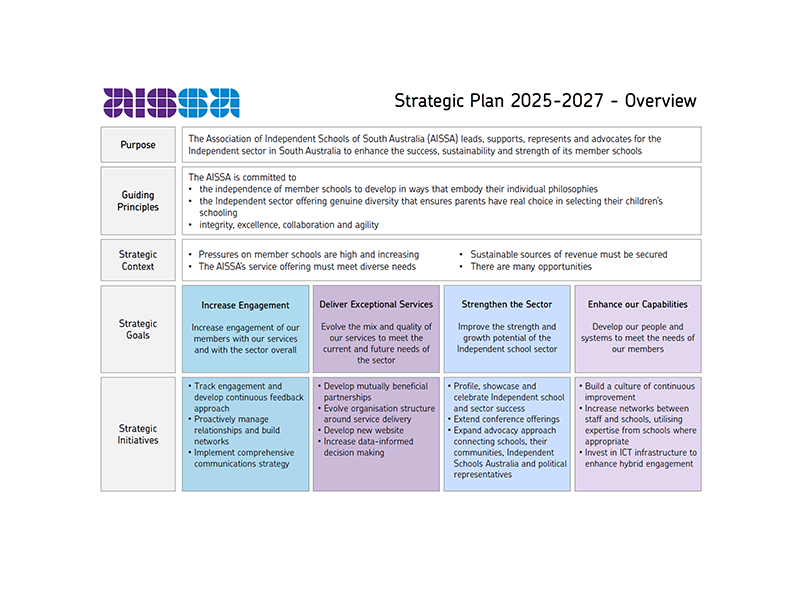
AISSA STRATEGIC PLAN 2025-2027 IS LAUNCHED
A new Strategic Plan articulates the strategic context in which the Association and its schools operate. It highlights the increasing pressures on member schools, the critical need for sustainable revenue sources, the necessity for the AISSA’s service offerings to meet diverse needs, and the vast opportunities available within the sector.…